



















Bluffton Calendar
Announcements



New Stories

MEDIA RELEASE__Dr. Alex Sider, president of Bluffton University, will be the Bluffton Lions Club speaker on Tuesday, November 3. Guests are welcome. The event is at Bluffton Town Hall at 6:30 p.m.

FROM FACEBOOK__The Black Swamp Area Council of Scouting America has named Jonah Brown as the District Executive for the Arrowwood District.

MEDIA RELEASE__Dr. Gerald Mast, professor of communication and Harry and Jean Yoder Scholar in Bible and Religion at Bluffton University, will present “The Holiness of War and the Victory of Peace in Anabaptist Figural Bible Reading” at 4 p.m.

By Cort Reynolds
COLUMBUS GROVE__The Bluffton High School cross country teams competed at the Northwest district meet on Saturday, Oct. 24 at Columbus Grove.
Stories Posted This Week
Monday, October 26, 2026
Sunday, October 25, 2026
Saturday, October 24, 2026
- Ada Icon headlines, October 24
- Are you a friend of the Bluffton Public Library?
- Weekend Doctor: What you need to know about flu season
- Courtney Linke joins CNB as VP Business Banking Officer
- Blanchard Valley Health System Announces Updates to Board of Trustees
- Blanchard Valley Health Foundation Announces Changes to Board of Directors
Friday, October 23, 2026
- Village of Bluffton announces late afternoon drill at Bluffton Schools, October 23
- October 23 Bluffton Schools athletics lineup, streaming
- Pirate volleyball eliminated in sectionals by Archbold
- Pirate boys soccer knocked off by Bath
- Main St. closure rescheduled; parapet work to take place Oct. 27
- Bluffton student to reflect on diabetes research experience
- Bluffton University receives $8,000 Stinner Summit award for youth agricultural and environmental education
- Elections matter, including midterms
Thursday, October 22, 2026
- Ada Icon headlines, October 22
- ICAPP study: Ohioans strongly oppose data center expansion and tax breaks
- Pirate girls soccer ousts rival Allen East in sectionals
- Strawberry Fields Forever: Fruit polyphenols and brain health
- Last call for Bluffton Cars & Coffee for 2026
- Icon calendar gets a little more elbow room
- Bluffton Board of Education recap: Contracts for coaches and new bus driver
- Bluffton Lions Club update for October 2026
- Bluffton chamber photo competition display and reception announced
- Bluejays and buzzards catch the eye of this Accounting prof
Wednesday, October 21, 2026
- Ada Icon headlines, October 21
- Village of Beaverdam requests suggestions for park grant application
- Charles “Chuck” Wendall Collins, 63, owned Eagle Press Repairs
- Dwain L. Leiber, 87, owned Leiber Garage
- Kimberly Dawn Murphy, 55, taught at Findlay City Schools
- Kaleidoscope Farms honoring veterans, thanking current troops, Nov. 8
- Filmmaker to preview documentary exploring life beyond incarceration
- ONU mobile health clinic at Senior Center on Oct. 28
Historical
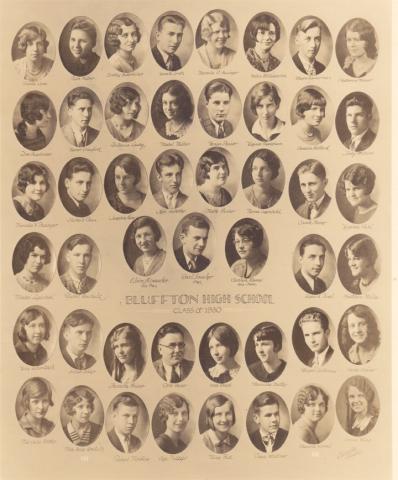
The Iconic Photo Gallery